In the world of autonomous technology, choosing a base vehicle for a prototype is not just a technical matter, but a strategic decision reflecting the development company’s philosophy and business approach. What vehicles form the basis for autonomous technologies? What influences this choice? How are modern autonomous prototypes designed?
Electric vehicles as the platform of choice
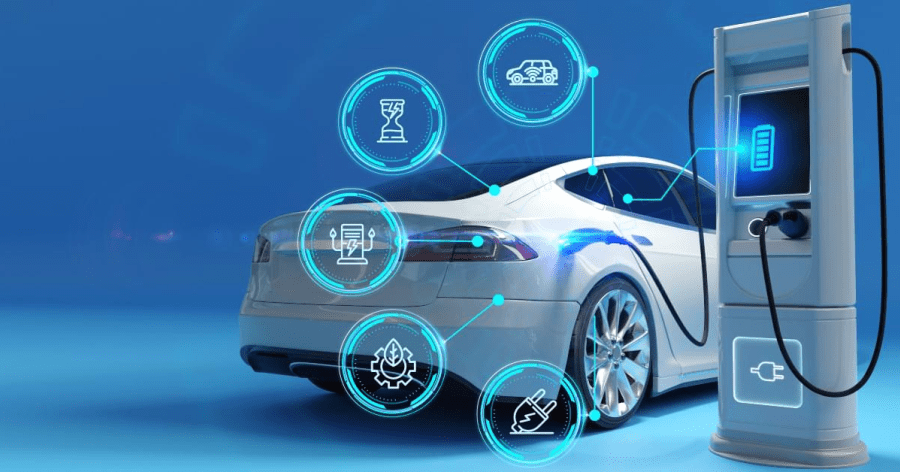
An analysis of the autonomous technology market reveals a clear trend: the overwhelming majority of developers are choosing electric or hybrid vehicles as the basis for their prototypes. This strategic choice is driven by several factors:
Symbolic value: Electric vehicles are associated with the future, innovation, and environmental friendliness. Developers strive to associate their products with progressive technologies.
Attracting investment: Investors are more willing to invest in projects that combine two promising areas—electric mobility and autonomous driving.
Technical compatibility: Electric vehicles typically have a more modern electronic architecture, which simplifies the integration of complex autonomous systems.
Variety of choice: no single standard
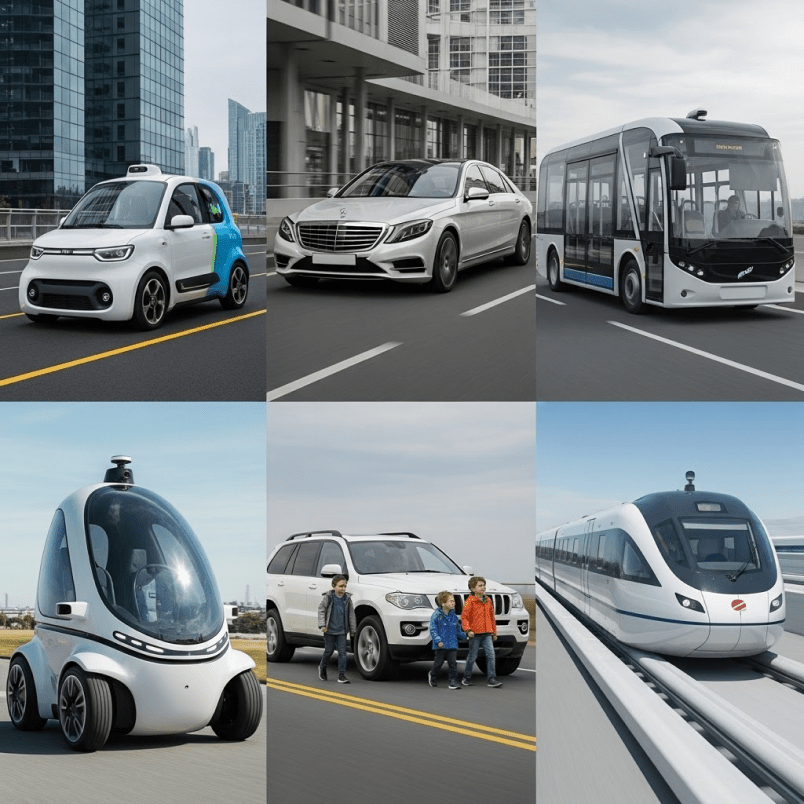
The autonomous vehicle market is not uniform in its selection of car models for development. Companies are guided by various factors:
- Local ecosystem: Availability of specific models in the region of development
- Investment opportunities: Cost of acquiring and modifying vehicles
- Ease of integration: Ease of connection to the CAN bus and other vehicle systems
- Political context: Selection of locally produced models to obtain government support
This diversity indicates that the autonomous vehicle industry is still in its infancy, with uniform standards yet to be defined.
Leaders among models: analysis of popular car models
Among the wide variety of vehicles, there are several car models that are particularly popular with developers of driverless technologies:
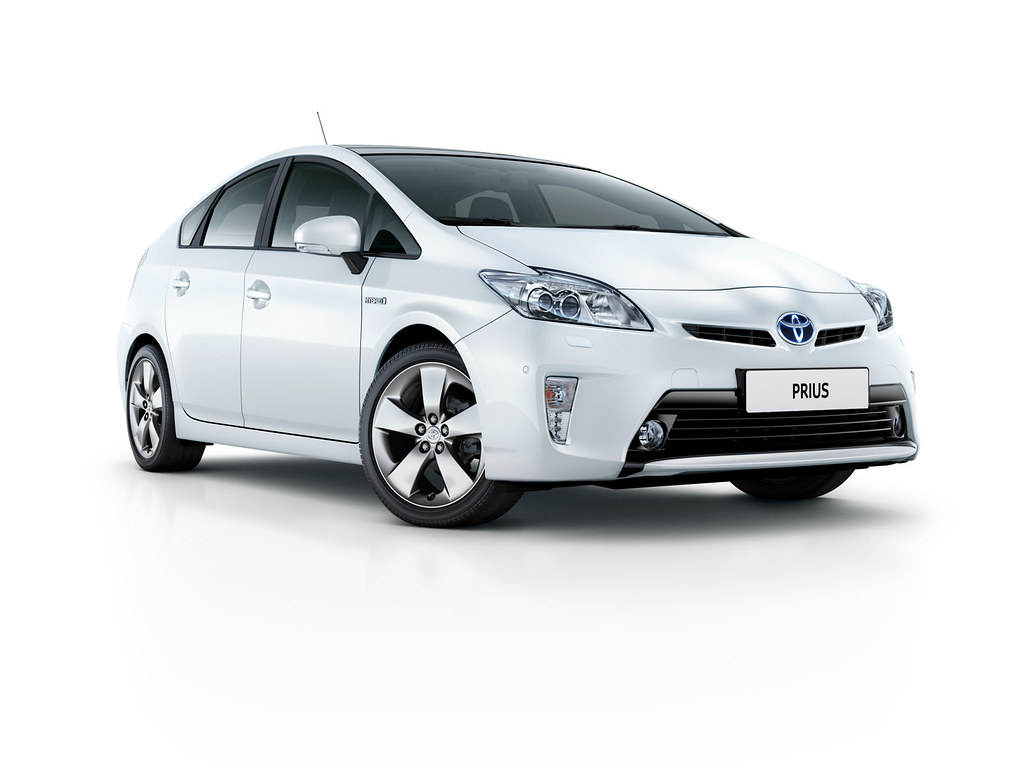
The Toyota Prius was the choice of players as diverse as Yandex, Waymo, and Nuro in the early stages of their development, although many have now switched to other models.
The Toyota Prius’ popularity can be attributed to its affordability, reliability, and reputation as an innovative hybrid, making it an ideal platform for early experiments with autonomous technology.
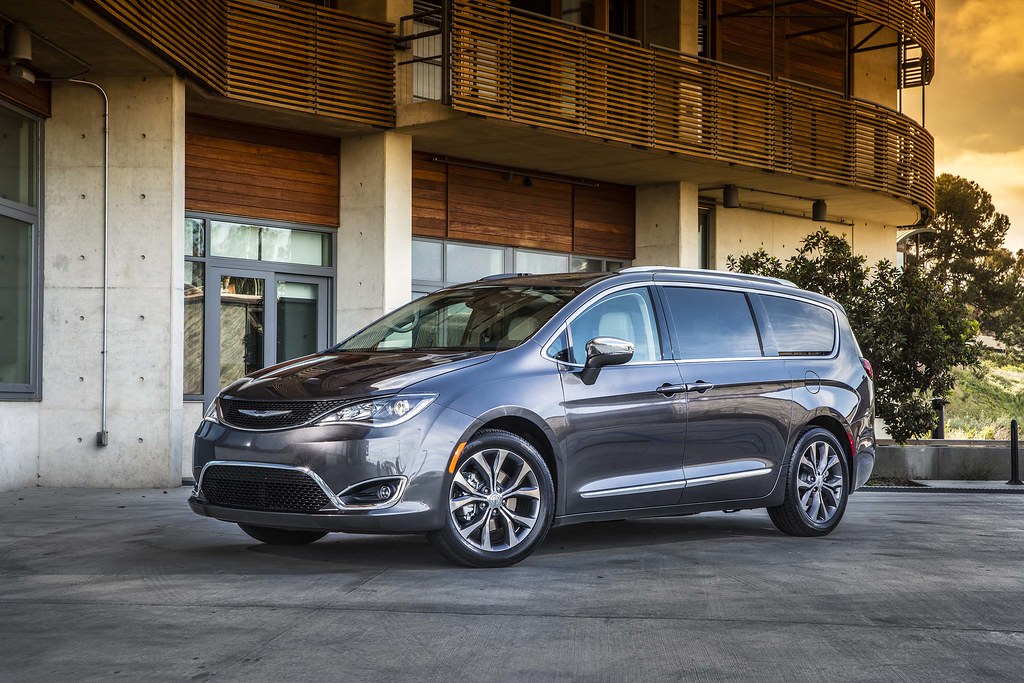
The Chrysler Pacifica, on the other hand, is attractive due to its size, which makes it suitable for use as a taxi or in ride-sharing services.
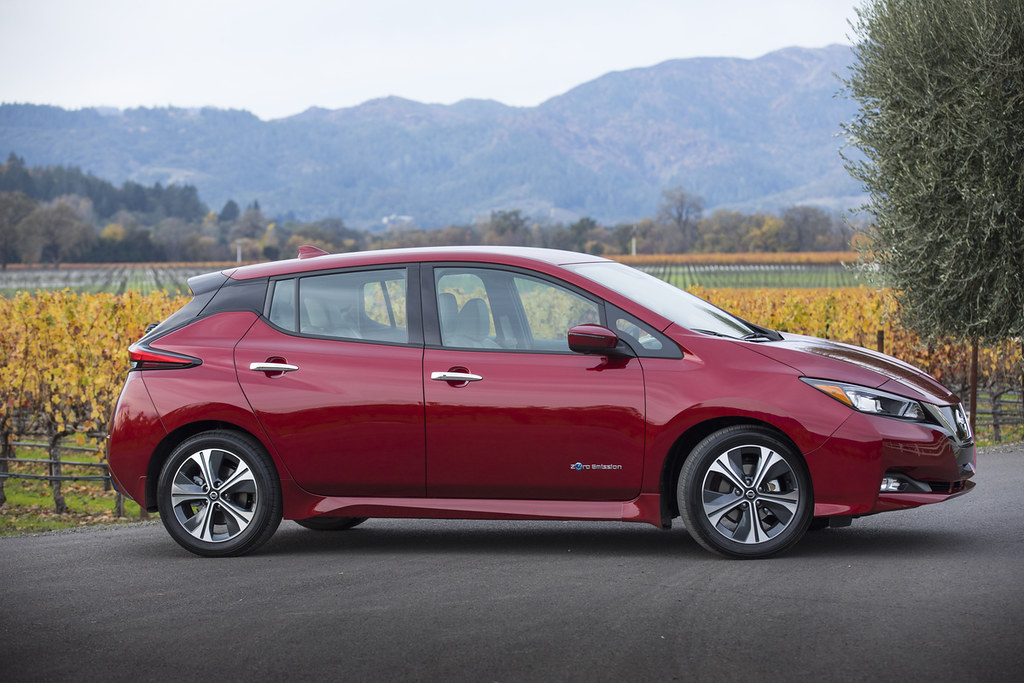
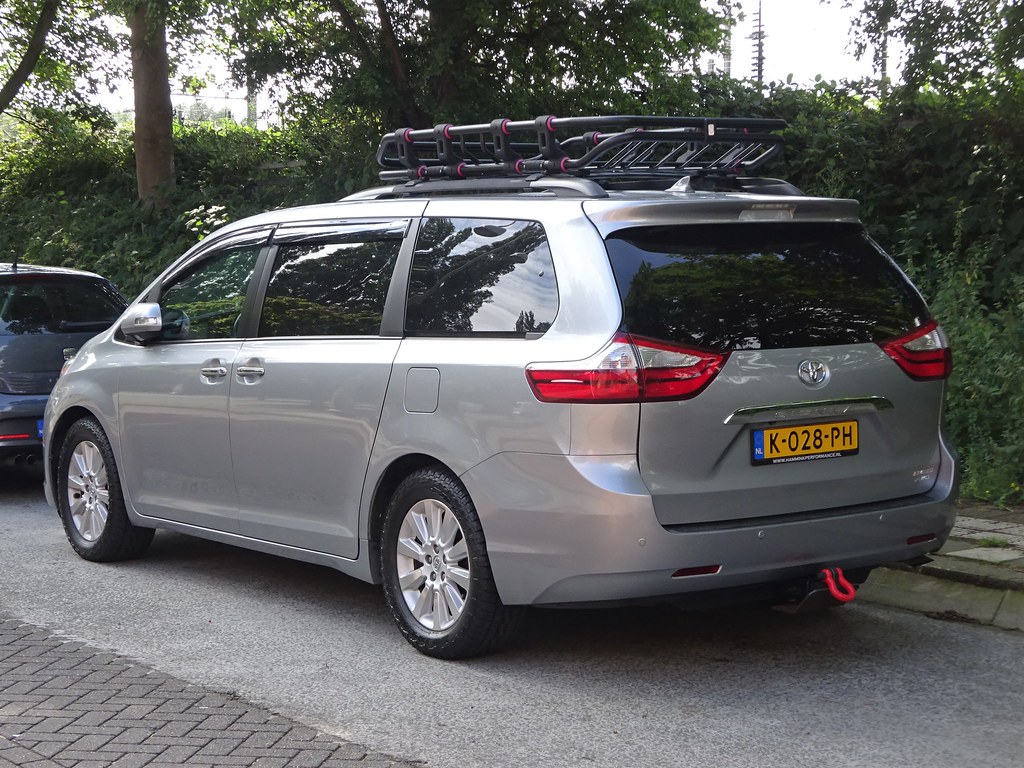
The second most popular car models are the Nissan Leaf and Toyota Sienna Autono-MaaS, each used by three companies from our list. The Toyota Sienna Autono-MaaS is particularly interesting because it was specifically designed to integrate autonomous driving technologies, as its name (MaaS – Mobility as a Service) suggests.
The Nissan Leaf attracts developers with its all-electric platform and global availability, making it an attractive choice for companies in the US, UK, and China.
Ford, Lincoln, Renault, and GAC
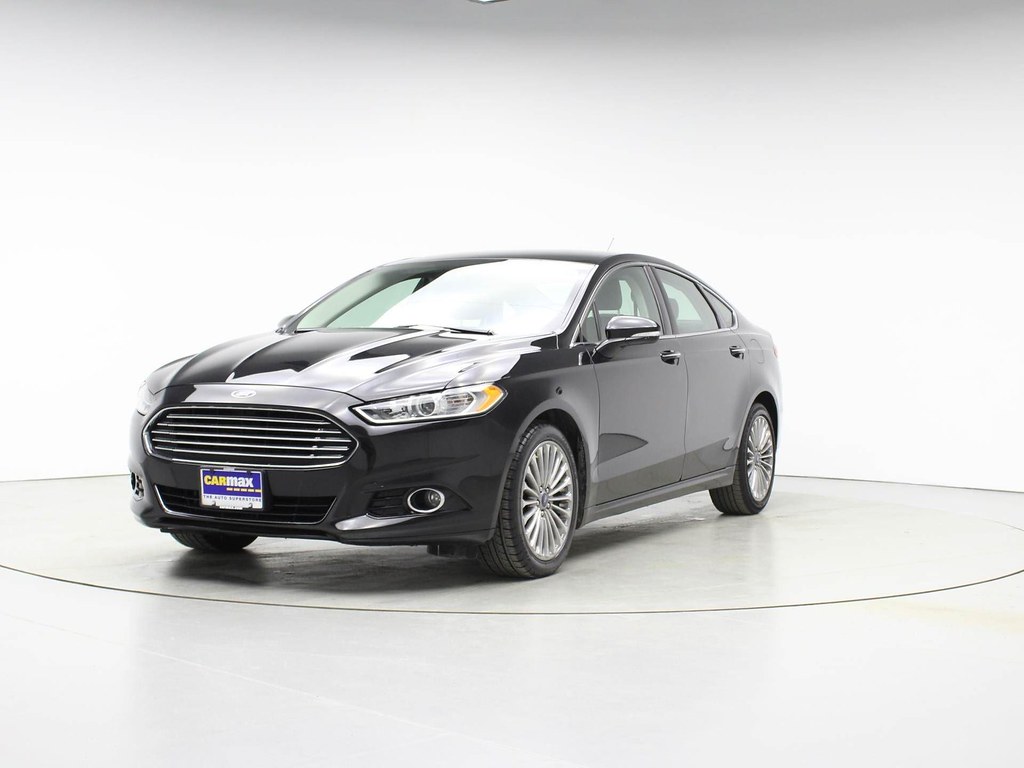
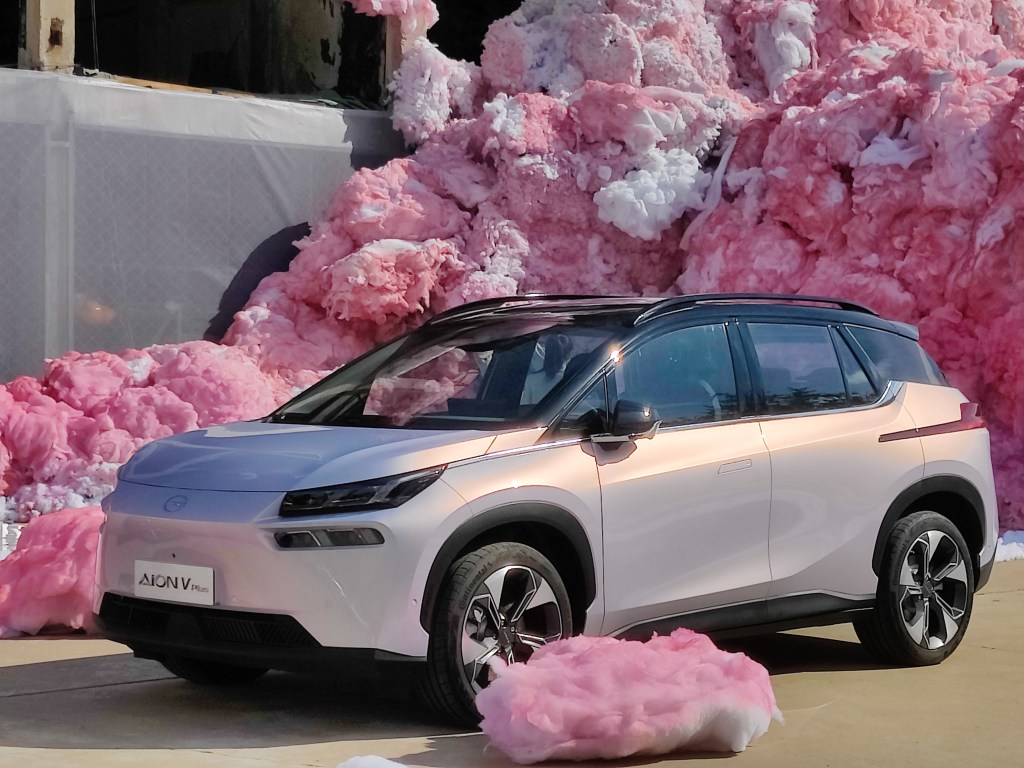
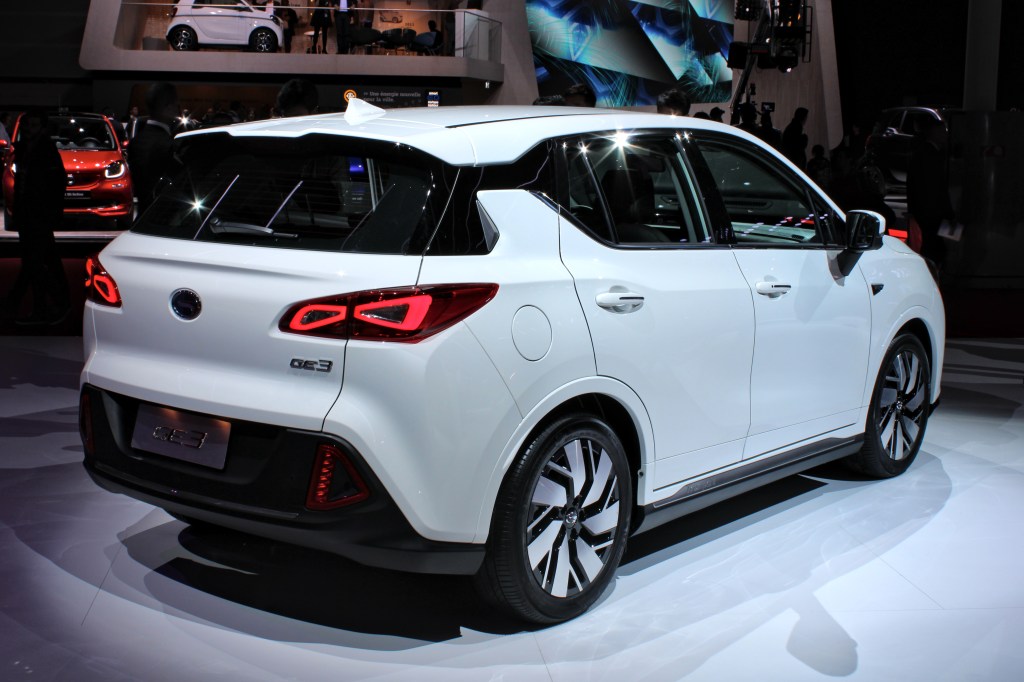
Third place is shared between the Ford Fusion, Lincoln MKZ, Renault Twizy, and the Chinese electric SUV Aion from GAC. It’s interesting to note the geographical specificity of the choice: the Ford Fusion is preferred by American companies (Argo.ai and Uber), the Lincoln MKZ by companies with Chinese-American roots (AutoX and WeRide), the compact Renault Twizy is chosen by British experimenters (Oxa and Wayve), and Chinese developers (WeRide and Baidu) prefer the electric SUV from GAC.
Market segmentation: what types of cars are developers choosing?
Data analysis reveals an interesting picture of the preferences of autonomous technology developers regarding automotive segments:
SUV: the leader
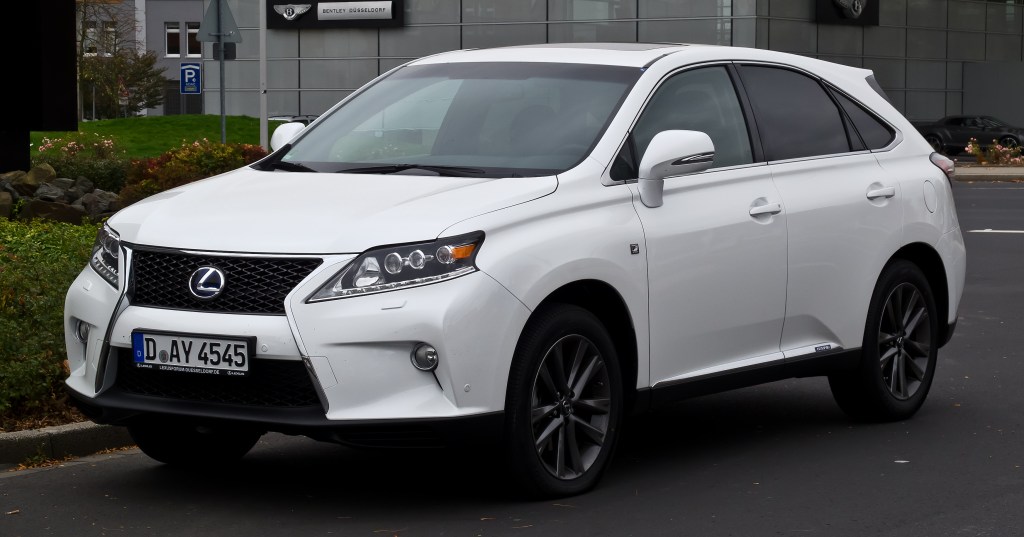
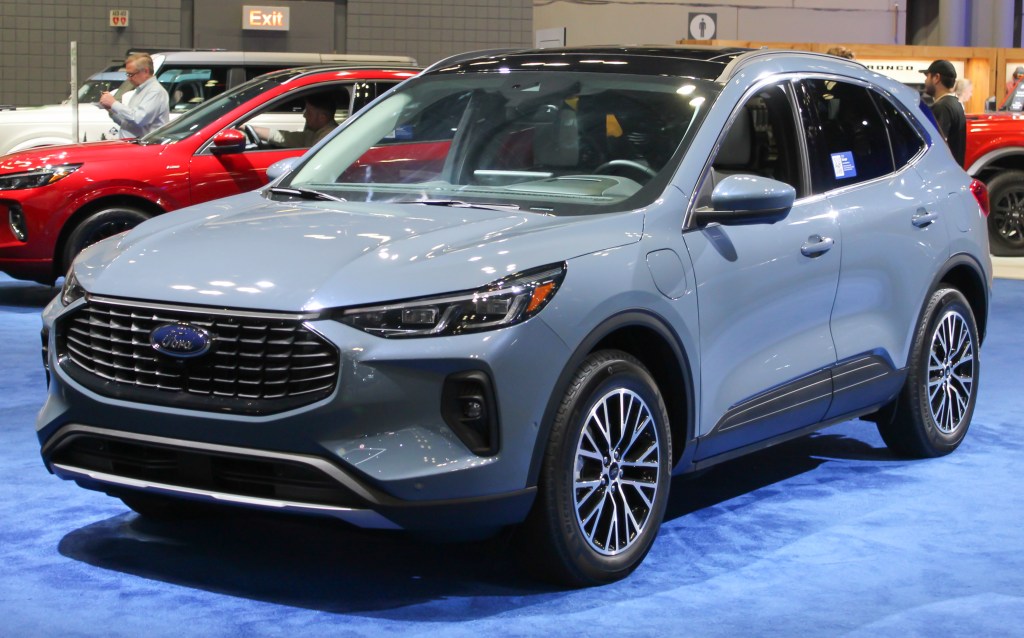
Crossovers and SUVs (SUVs) are the most popular platform choice, reflecting a global trend in the automotive market. According to research, SUVs account for approximately half of all vehicle purchases in the US and Europe, while in China, over 53% of drivers express a desire to switch to this type of vehicle.
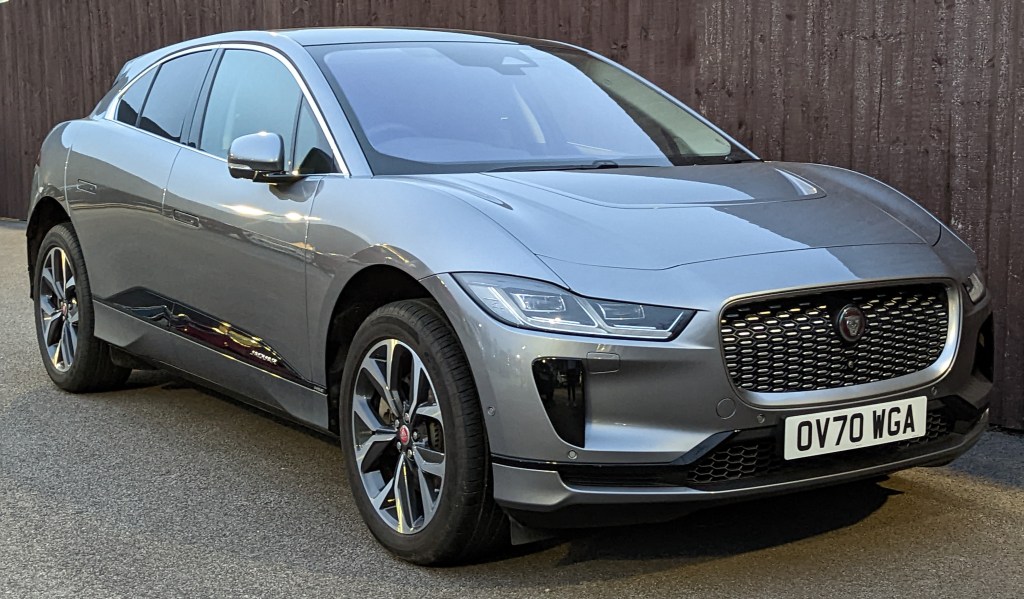
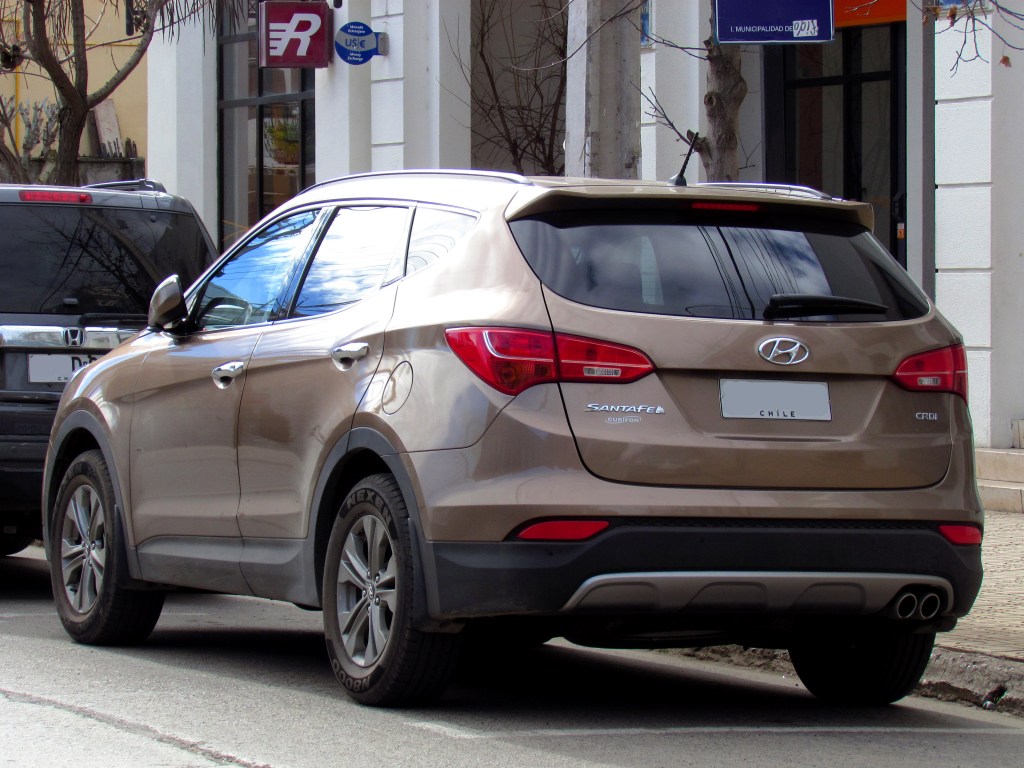
AV companies are targeting the most mainstream segment of the automotive market, increasing the potential audience for their product. SUV manufacturers selected for autonomous technology development include companies from all over the world: Chinese (GAC, Arcfox, WM), European (Volvo, Polestar), American (Ford), and Asian (Toyota, Hyundai).

C-segment cars: a balance of affordability and functionality
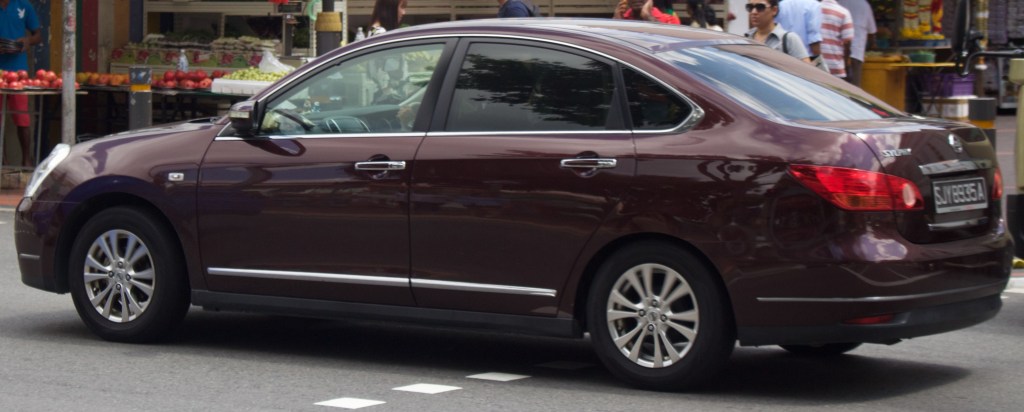
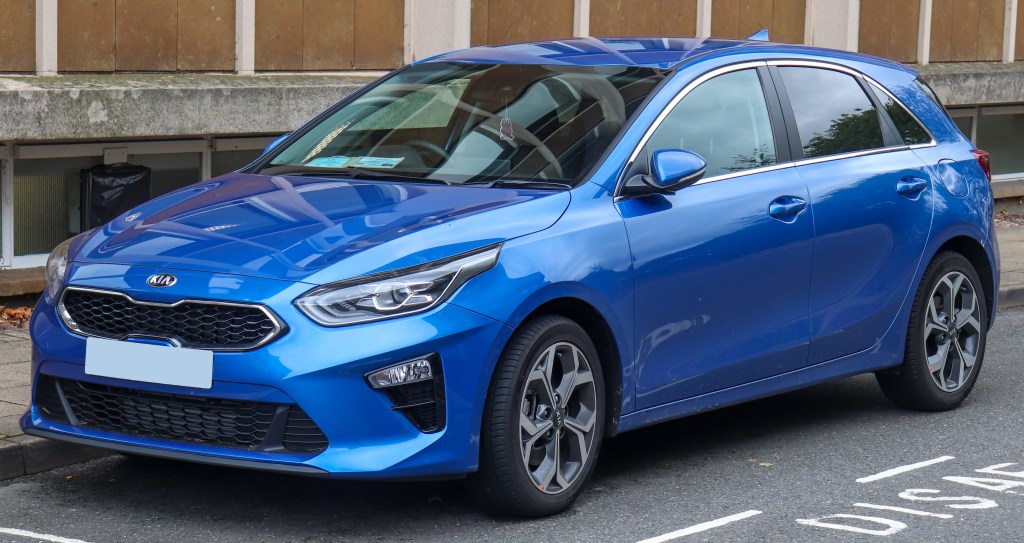
C-segment (compact) cars are also very popular among developers. The Nissan Sylphy, Kia Ceed, Toyota Prius, and Nissan Leaf are attracting attention due to their affordability, widespread availability, and sufficient size to accommodate technological equipment.
Interestingly, Russian AV projects favor Kia and Hyundai brands in this segment, while many international companies choose Toyota and Nissan models.
Minivans: Ideal for robotaxis
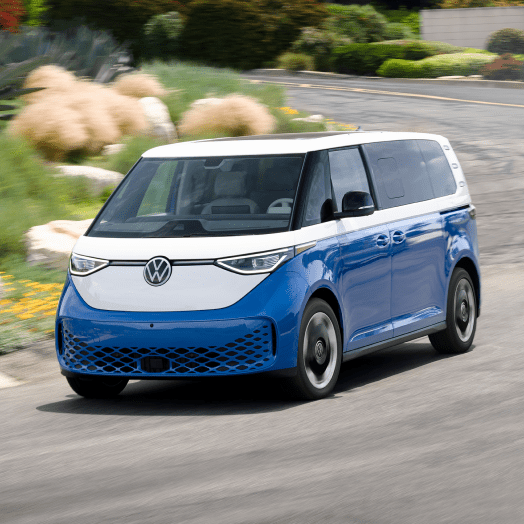
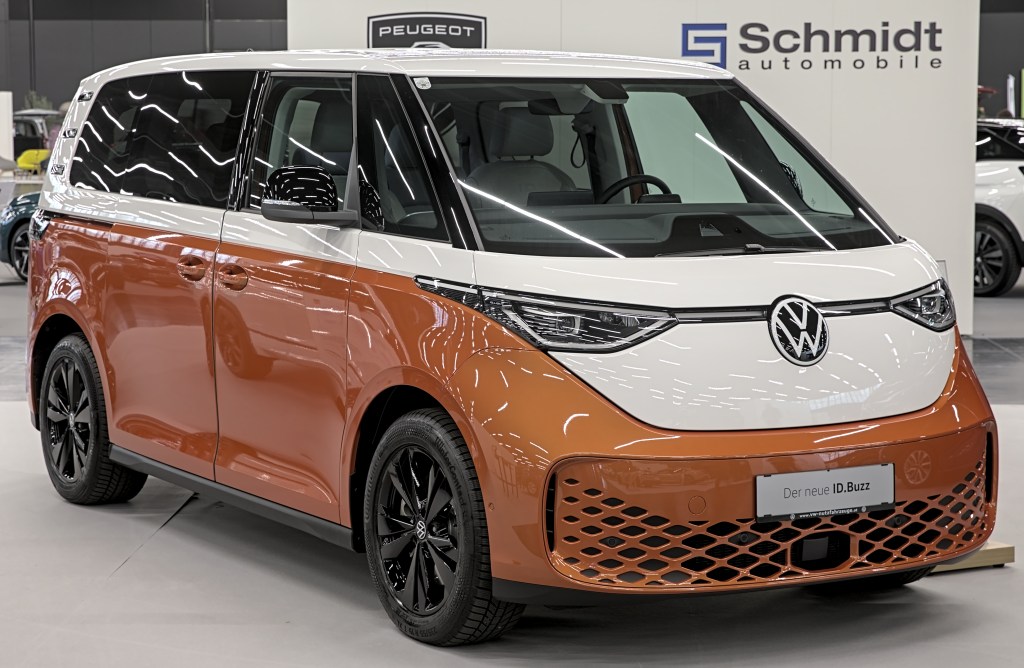
Minivans (Toyota Sienna Autono-MaaS, Id.Buzz, Chrysler Pacifica) are becoming a preferred platform for robotaxis development due to their spaciousness and passenger comfort. Their spacious interiors accommodate not only passengers and luggage but also the necessary technological equipment.
European manufacturers (Volkswagen with Id.Buzz and Navya with Autonom Cab) are targeting their minivans at shared use, reflecting European trends in the transportation sector.
Sensor systems: the eyes and ears of a autonomous car
Contemporary autonomous cars use complex combinations of sensors to perceive the surrounding world. The main types of sensors are
Lidars: Precision Vision
Lidars are laser sensors that create a high-precision three-dimensional image of the surrounding space. They can measure distances to objects with centimeter accuracy, making them indispensable for precise positioning and obstacle detection.
Most AV car developers use lidars, despite their high cost (ranging from $5,000 to $15,000 per unit). The exceptions are Tesla, comma.ai, and Ghost, which rely on camera-based computer vision systems.
Robotaxis operating in complex urban environments use the largest number of lidars for maximum accuracy, while developers of personal AV cars strive to limit their number to maintain a familiar design and reduce costs.
Radars: determining speed and direction
Radars emit radio waves and, by analyzing their reflection, determine the distance to objects, their speed, and direction of movement. Radars are divided into long-range (for detecting objects at great distances) and short-range (for monitoring blind spots).
Radars are used in all types of self-driving cars projects, but the number varies: from two in Argo.ai to 21 in Cruise. Some companies, such as Tesla, periodically change their attitudes toward radar, sometimes incorporating it into their systems, sometimes excluding it in favor of computer vision systems.
Cameras: An Affordable, Data-Rich Solution
Cameras are the most accessible and informative type of sensor, providing rich visual data. Their advantage lies in their ability to distinguish colors, textures, and read road signs. Furthermore, there is a vast ecosystem of computer vision algorithms for processing camera data.
The number of cameras also varies greatly: from 8 for Tesla to 16 for Cruise. Companies are actively developing technologies to extract 3D information from 2D images using stereo cameras and deep learning algorithms.
Sonars: Ultrasonic Precision
Sonars (ultrasonic sensors) are used to accurately determine the distance to nearby objects, especially when maneuvering at low speeds. Tesla and Baidu (12 sonars each) are the most active users.
Conclusion: Shaping the Future of Mobility
An analysis of autonomous vehicle prototypes shows that the industry is still in its infancy, lacking uniform standards and approaches. Developers are experimenting with various platforms, sensor systems, and business models, seeking to find the optimal solution for various autonomous technology use cases.
Despite the diversity of approaches, several key trends can be identified:
- Opting for Electric Vehicles: Most developers favor electric or hybrid platforms, reflecting the overall automotive industry shift toward electrification.
- Focusing on Mass-Segment Vehicles: SUVs and L-segment vehicles are the most popular, reflecting global consumer preferences.
- Different Approaches to Lidar Usage: Companies have varying views on the need for lidar: some consider it critical for safe navigation, while others seek to eliminate it for cost-effective solutions. This debate remains open.
- Combining Sensors for Reliability: Regardless of their attitude toward lidar, most companies use a combination of sensors (cameras, radars, lidars, etc.) to improve system resilience to various road and weather conditions.
As autonomous technologies gradually move from the experimental stage to commercial implementation, the choice of a base car model for a prototype is becoming a strategic decision that determines not only the technical characteristics but also the market potential of the final product.
 MARTA: Картография беспилотных автомобилей