The development of autonomous vehicles (AVs) requires not only advanced technologies but also a complex infrastructure—from equipment manufacturers and data providers to regulators and city administrations. Therefore, the key to success is not the isolated operation of a single company, but its ability to build an effective network of partnerships and draw on an existing regional and national innovation ecosystem. Countries with such an ecosystem—primarily the US and China—are leaders in the industry: there, companies have access to the necessary infrastructure, testing capabilities, and government support.
Partnerships are fundamental to the development of autonomous technologies for three reasons:
- They provide access to the resources for product development and testing.
- They create opportunities for real-world testing.
- They lay the foundation for bringing technologies to market through access to potential customers, manufacturing and logistics partners, and interactions with regulators and urban infrastructure.
Each autonomous vehicle development company forms a unique network of partners, depending on its own goals and capabilities, as well as the conditions and resources of the environment—industrial, regional, and national.

Development Partners: Technological Foundation
Developing an autonomous car requires collaboration between multiple technology companies. These partners can be divided into several key categories:
a. Automotive manufacturers and component suppliers
Most autonomous driving projects are based on existing vehicle models. It’s therefore not surprising that automakers are actively involved in the autonomous driving industry:
- Japanese and Korean auto giants: Hyundai (Korea), Toyota (Japan)
- International alliances: Renault-Nissan-Mitsubishi Alliance, Stellantis
- Chinese companies: King Long, GAC, WM Motor
- American manufacturers: Ford, GM
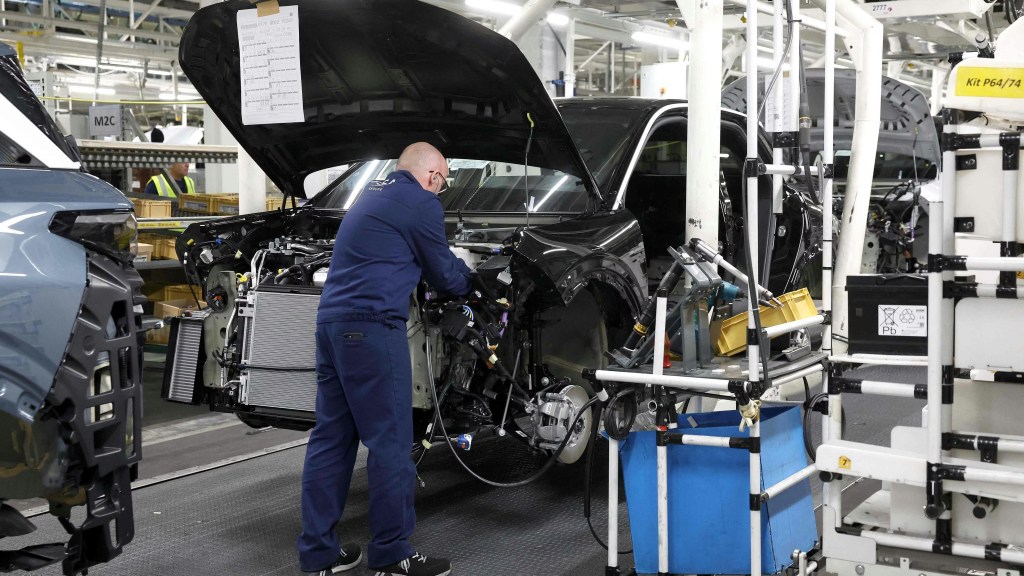
Automakers see autonomous driving technology as a way to diversify their business models rather than as a threat to traditional manufacturing.
b. Automotive component suppliers also play a significant role:
- ZF Group (Germany)
- Denso (Japan)
- Magna (Canada)
- Continental (Germany)
Since most AVs are electric, battery manufacturers are becoming important partners:
- Solar City (Tesla’s internal company, acquired in 2016)
- CATL (China)
- ARC Europe (South Korea)
c. Hardware suppliers
Unlike the highly competitive automaker market, the number of suppliers of specialized hardware for autonomous vehicles is limited. Nvidia holds a leading position, having created an entire line of products for processing data from autonomous vehicle sensors (for example, the NVIDIA Drive AGX, a processor specifically designed for processing data from autonomous vehicle sensors). Thanks to this targeted approach, Nvidia has become a key partner for many developers, from Baidu and Pony.ai to Mercedes-Benz and Baro.
Other significant players in this category:
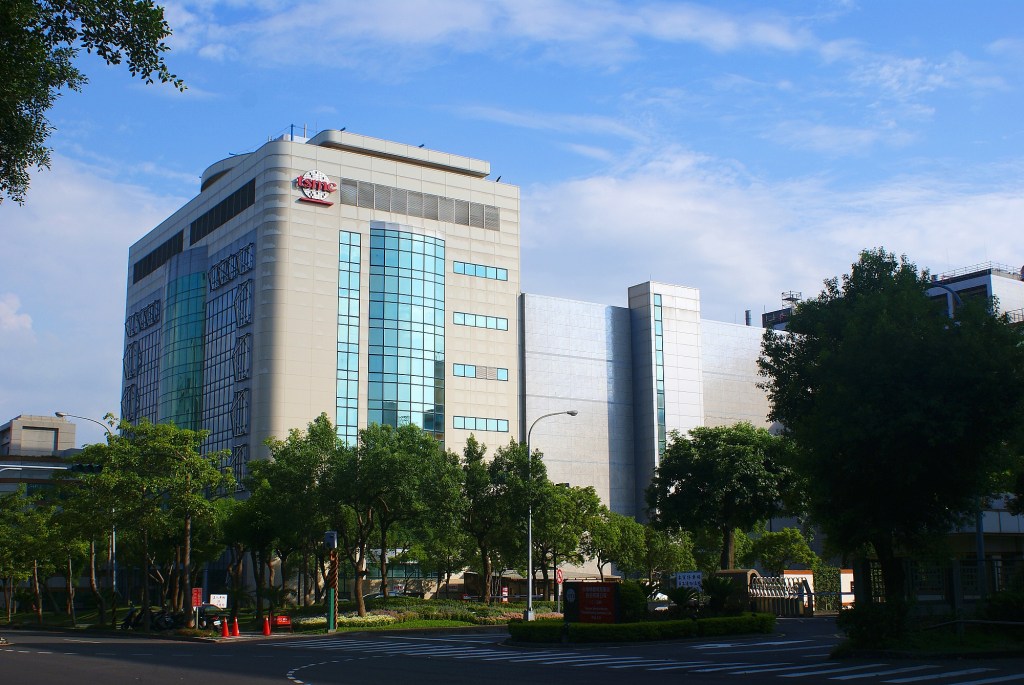
- TSMC (Taiwan Semiconductor Manufacturing Company Limited) – a semiconductor supplier to Apple and the Dutch STMicroelectronics, a partner of Arrival
- Mediatek (China) and Ambarella (USA) – not manufacturing, but designing chips for large companies such as AutoX, Tesla, and Arrival
d. Mapping services and perception algorithms
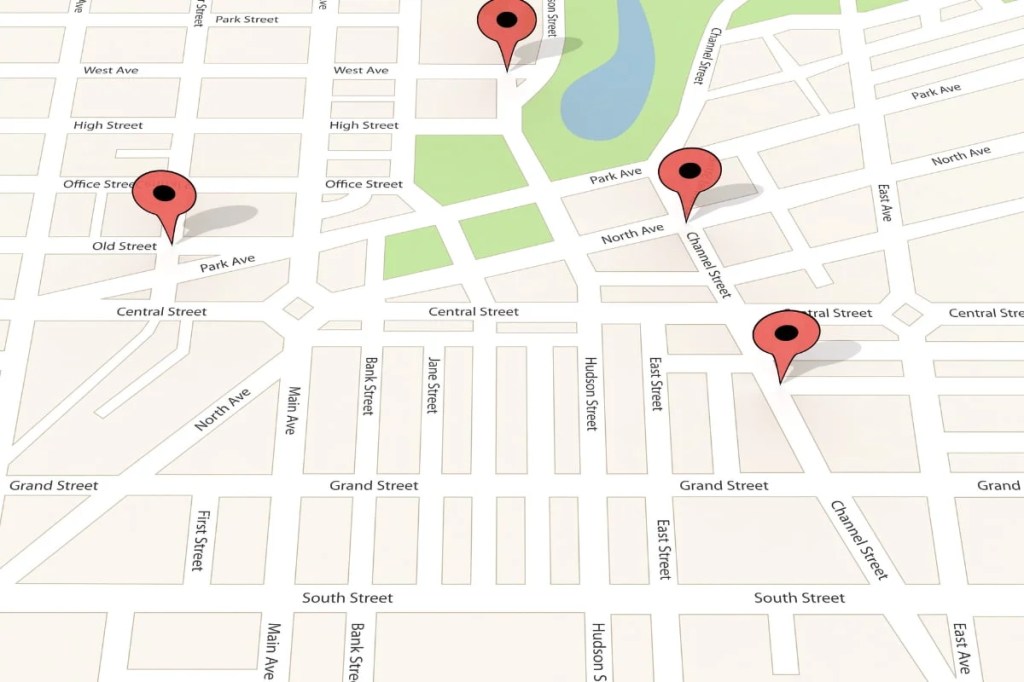
AVs are capable of localizing themselves and navigating using specialized mapping services:
- Mapbox, Open Street Maps, Google Street Maps — public services
- TomTom, HERE, Navinfo — specialized mapping data providers
History of HERE
The story of HERE, an American mapping company acquired by Nokia in 2007 and then sold to a consortium of European automakers (Audi, BMW, Mercedes) in 2015, is intriguing. HERE was the subject of a bidding war between several companies, including Uber, but the European auto industry’s bid prevailed. This competition demonstrates the critical importance of high-quality mapping data for autonomous driving technologies, both for robotaxis and for personal driverless cars.
Many large AVs makers use the services of their parent companies:
- Baidu Apollo is integrated with the Chinese search engine’s maps
- Yandex Self-driving cars work with Yandex Maps
- Waymo uses Google Maps
One of the most important components of autonomous vehicle software is object perception and recognition algorithms. Baidu is partnering with the Chinese Changsha Intelligent Driving Institute Ltd (CiDi), which develops technologies for sensor data, perception, decision making, path planning, and control.
e. Strategic acquisitions in the field of algorithms and sensors
An important trend has been the acquisition of AI startups by AI developers that specialize in creating technologies for perception and recognition of objects:
| Company | Purchased company | Year | Specialization of the company being purchased |
| Tesla | Deep Scale | 2019 | Development of perception systems for BA |
| WeRide | moonx.ai | 2021 | A startup creating driverless trucks |
| Zoox | Strio AI | 2021 | Development of robots for agriculture |
| Aurora Innovation | OUTS Technology | 2021 | Developer of optical perception systems for unmanned vehicles |
Lidars are crucial sensors for the autonomous vehicle industry. They are developed only in the US and China. Typically, AVs companies purchase lidars from large manufacturers like American companies Velodyne and Luminar for development and testing, while also seeking to acquire companies developing new lidar solutions to develop more efficient and affordable in-house lidar solutions.
| Company | Purchased company | Year | Specialization of the company being purchased |
| Cruise | Strobe | 2017 | Lidar production |
| Argo.AI | Princeton Lightwave | 2017 | Geiger mode lidars |
| Aurora Innovation | Blackmore | 2019 | Frequency-modulated continuous wave (FMCW) lidars |
| AutoX | RoboSense | – | Full-fledged image perception and recognition systems |
| Baro | Leishen Intelligent System | – | Baro partners with Leishen Intelligent System to promote lidar in non-Chinese markets |
Testing partners: from the laboratory to real roads
Bringing autonomous cars to public roads requires collaboration with three main groups of partners:
Government regulators
Government agencies play a key role in autonomous car testing:
- In Russia, self-driving car certification is carried out by NAMI (National Automobile and Automotive Research Institute).
- In the US, the NHTSA (National Highway Traffic Safety Administration) and the NTSB (National Transportation Safety Board) regulate testing at the federal level.
- In California, specifically the DMV (Department of Motor Vehicles) publishes test reports, making the information available to the public.
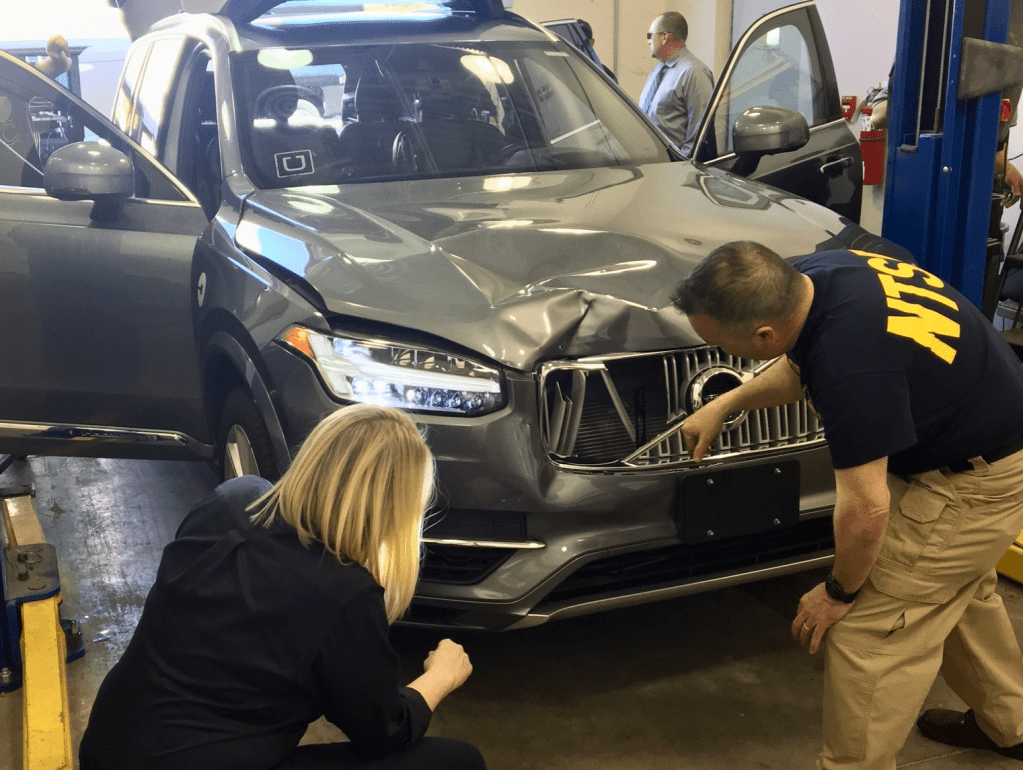
A telling example is former Arizona Mayor Doug Ducey, whose support for autonomous vehicles made the state an attractive alternative to California for autonomous vehicle testing. Although Arizona was the site of a high-profile accident involving an Uber AV car, this hasn’t stopped companies from moving testing there due to its more favorable regulatory climate.
Innovation centers and technology parks
For projects not yet ready for testing on public roads, significant support is provided by innovative development institutes:
- In Russia: Innopolis, Skolkovo
These sites not only provide testing infrastructure but also help attract investment.
- In China: Liangjihang New Area, Shanghai International Automobile City
Transport system operators
Integrating autonomous vehicles into existing transport systems requires partnerships with transport planners and operators:
- Veer in France and Boldly in Japan are operating test routes for autonomous vehicles
- Waymo is collaborating with Valley Metro in the US
- Sensible 4 is working with Swiss Transit Lab in Sweden
- Arrival is partnering with bus operator FirstGroup in the UK
Consumer Partners: Shaping Future Markets
Although AV cars aren’t yet in full commercial use, they have already established networks of potential customers eager to embrace the technology in the future. Different types of autonomous vehicles are developing different markets: shuttles are ideal for development projects and special zones like airports, robotaxis are aimed at taxi and delivery services, and personal cars will remain the preserve of wealthy drivers or premium taxi companies.
Taxi and passenger transportation market
Chinese companies are actively offering driverless taxi services:
- Taxovichkof and Yandex.Taxi (Russia)
- Shenzhen Pengcheng Electric Taxi (China)
- Guangzhou Baiyun Taxi Group (China)
- Didi (China)
International taxi services are also showing interest:
- Uber and Lyft (USA)
- MOIA and Shotl (Europe)
- Guangzhou Baiyun Taxi Group (China)
Delivery and Logistics
Driverless technologies are attracting the attention of logistics companies:
- PostBus Switzerland (Switzerland)
- Grav and ZTO (China)
- UPS and Delivery Solutions (USA)
- DPDgroup (France)
Major retailers are launching pilot projects for driverless grocery delivery:
- Asda and Ocado (UK)
- Walmart (USA)
Specialized zones
Autonomous shuttles are finding use at airports:
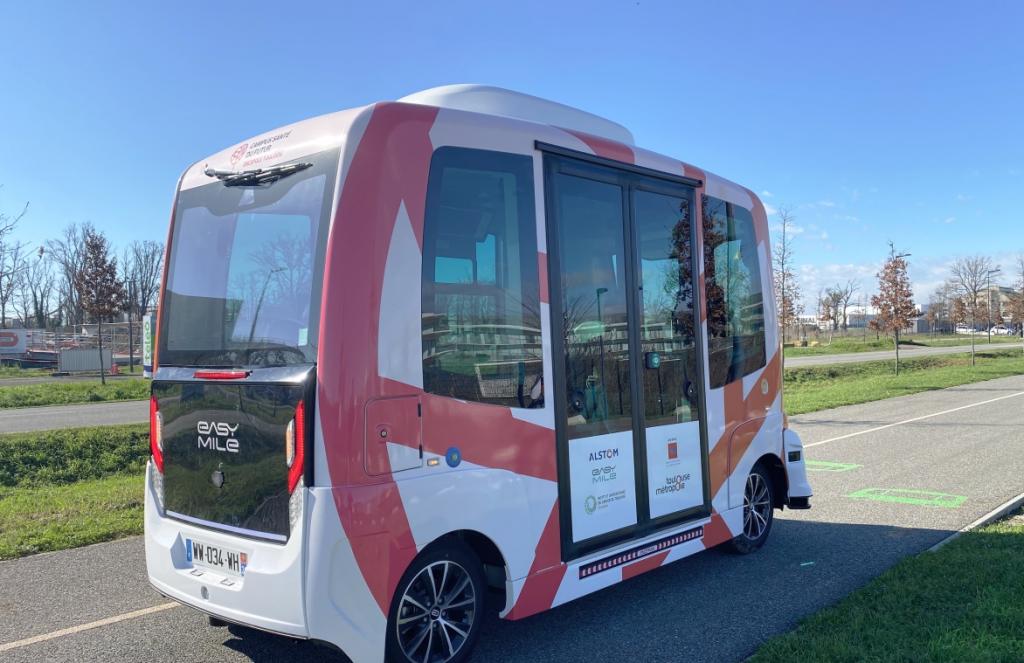
Toulouse-Blagnac (France) and Gatwick Airport (UK) are testing shuttles on their premises.
Development projects are also showing interest in driverless technology:
- Premium residential complexes (Lake Nona)
- Brewster-Douglass Housing Projects (USA) has signed an agreement with Navya to operate shuttles within housing complexes
- Luxury nursing homes in the US (Presbyterian Villages of Michigan, The Village of Brush Park Manor, Paradise Valley)
Permanent partners: the basis for long-term development
In addition to partners needed at specific stages of development and implementation, unmanned projects maintain ongoing relationships with several key groups:
Investors
Venture and non-venture capital investors provide the financial backing for AV projects that are not yet generating significant revenue. Major investors include Goldman Sachs, Lux Capital, Spark Capital, and OceanQ Capital.
Universities
Universities provide access to talented programmers and engineers:
- In China: Tongji University, Beijing Institute of Technology
- In the US: MIT, Georgia Institute of Technology, Carnegie Mellon University
- In Germany: Karlsruhe Institute of Technology
- In Russia: StarLine launched a Master’s program in AV Security at ITMO University
AV companies offer students scholarships, internships, and employment opportunities, and also organize their own educational programs.
Industry alliances and government structures
In the US, autonomous vehicle companies are forming alliances to advance their interests:
- ZETA (Zero Emission Transport Association) promotes environmentally friendly modes of transport and is actively supported by Tesla.
- PAVE (Partners for Autonomous Vehicle Education) and AVIA (Autonomous Vehicle Industry Association) unite numerous American companies.
Non-profit organizations and marketing agencies
To foster a positive public perception of SB as a safe, environmentally friendly, and efficient means of transportation, companies collaborate with NGOs and social movements:
- Red Means Stop, an organization of parents who have lost children in road accidents, collaborates with SB developers.
Brand agencies, such as Moving Brands (a Cruise partner), help shape the public image of companies.
- Waymo positions its developments as technologies that will benefit the blind, the elderly, and children.
Conclusions: Key success factors in the drone industry
An analysis of the network of partnerships in the field of autonomous vehicles reveals several important patterns:
- Network Effect: Success in the AV industry directly depends on a company’s ability to build an effective network of partners at all stages of technology development and implementation.
- Geographic Concentration: Innovation clusters are formed due to the geographic proximity of developers, suppliers, investors, and regulators. Innovation does not emerge without close ties to a large number of resource-rich players.
- Integration into the Traditional Automotive Industry: Instead of competing with automakers, self-driving technologies are becoming part of their business strategies. Autonomous cars are not intended to eliminate conventional cars from the road.
- Vertical Integration: Many companies seek to acquire key technologies (especially in the area of sensors and perception algorithms) to reduce dependence on external suppliers and create more efficient in-house solutions.
- Regulatory Environment: Favorable regulations can be a decisive factor in attracting development companies to a particular region, as the example of Arizona in the United States shows.
- Diversification of partnerships: Successful AV projects build relationships not only with technology partners, but also with educational institutions, NGOs, marketing agencies, and social movements.
The future of autonomous technologies depends not only on technical innovation but also on the ability to create a sustainable network of partnerships covering all aspects of development, testing, and commercialization. Companies that can build such networks more effectively than their competitors will gain a significant advantage, at least in the early stages of their development, in the emerging autonomous vehicle market.
 MARTA: Картография беспилотных автомобилей